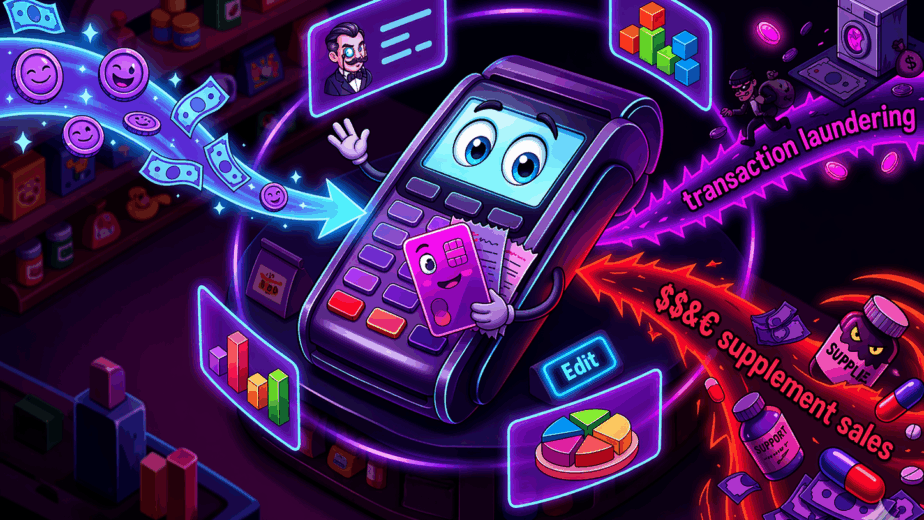

When founders shop for a payment gateway, the first thing they look at is the fee. That small percentage feels like the line between a profitable month and a losing one, so it is tempting to chase the cheapest quote on the page.
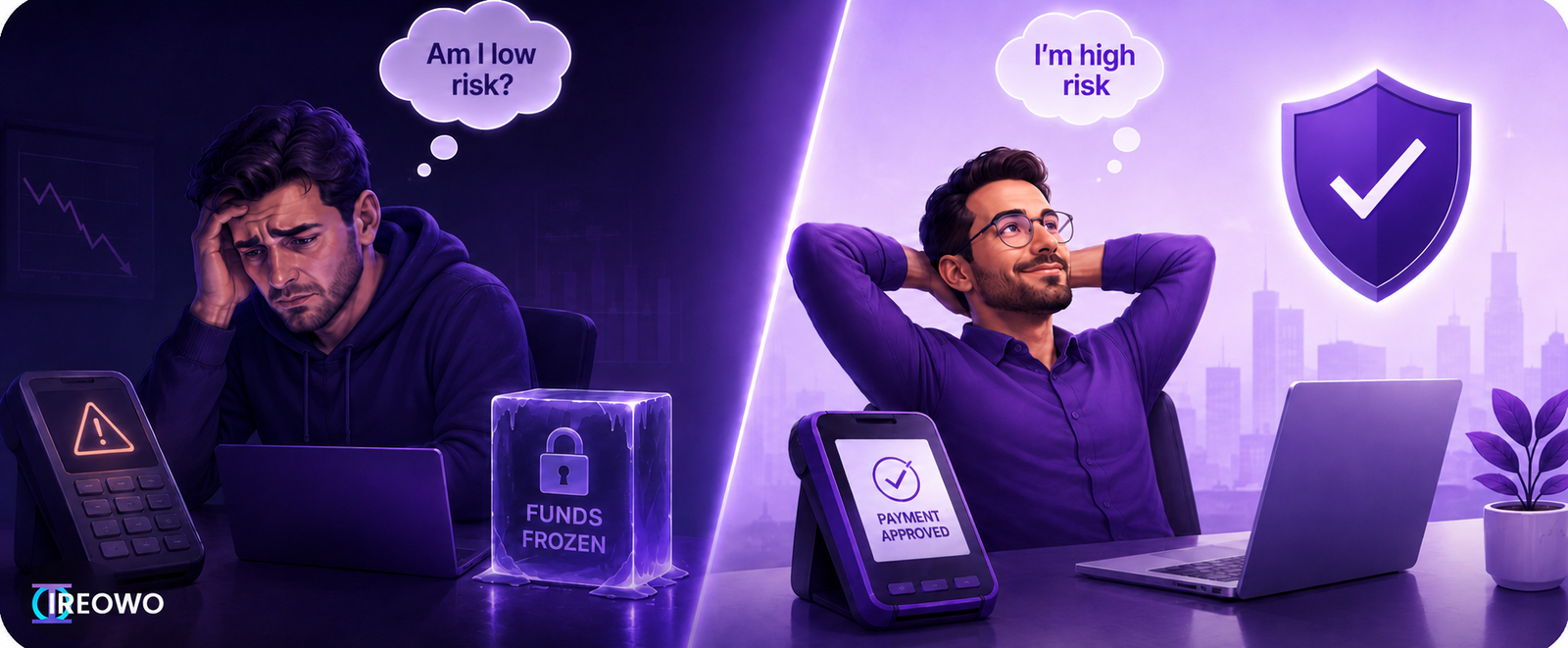
The problem is bigger than a fee, though. Many founders assume their business is low risk simply because it feels legitimate, while banks read the same business very differently. Today, being high risk no longer means running a casino or an adult platform. It often just means you are not zero risk, and recurring billing is one of the fastest ways to land in that category.
Subscription Billing Is the New Grey Area
Take a digital subscription product as an example. Selling recurring access to software, content or a membership is not officially classified as High Brand Risk by Visa or Mastercard, yet traditional acquirers are growing uneasy with it anyway. That discomfort is pushing thousands of subscription companies toward a high risk payment gateway built for recurring billing just to keep charging their customers without interruption.
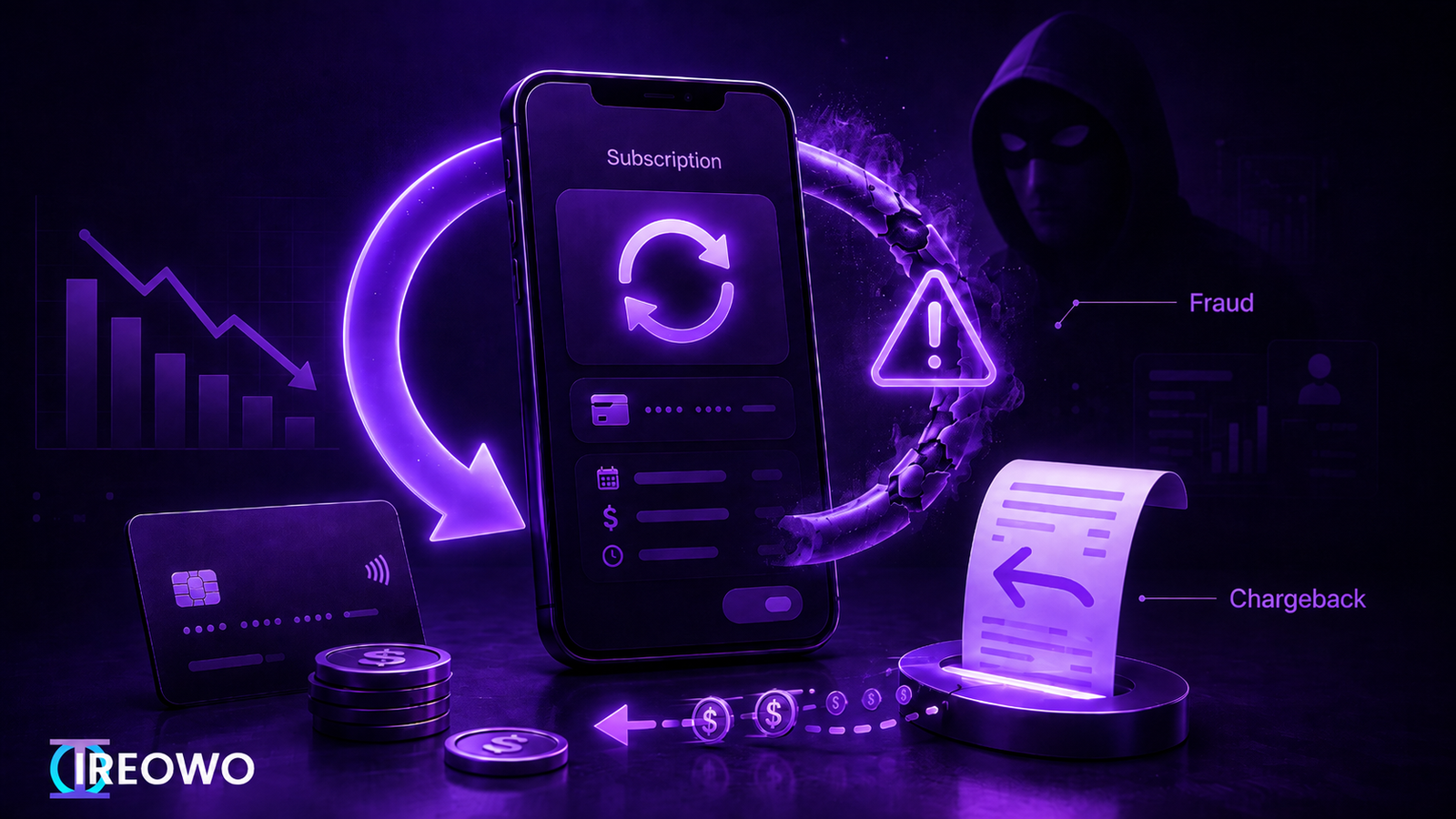
Why the sudden caution? Recurring billing has a long history of being misused. Free trials that quietly convert into paid plans, unclear cancellation flows and forgotten charges all add up to higher dispute rates than a typical one time purchase. Banks have seen this pattern too many times to ignore it, and it lines up closely with what we cover in our guide to chargebacks and friendly fraud.
VAMP Changed the Rules for Everyone
The Visa Acquirer Monitoring Program, known as VAMP, has removed whatever tolerance was left. Acquiring banks no longer want to risk a Visa or Mastercard fine because one merchant on their books runs a high dispute ratio, a topic we break down further in our chargeback monitoring programs guide. So even a healthy subscription brand can get flagged simply for operating in a category that regulators are watching closely.
VAMP is not the only pressure point either. On the authentication side, PSD3 is quietly reshaping how recurring charges get approved across Europe, which means a subscription gateway now has to satisfy both dispute monitoring and authentication rules at the same time, not just one or the other.
This is why some founders still ask for rates around 1 to 1.5 percent with no rolling reserve, as if they were pricing a small local shop. That kind of offer barely exists anymore for recurring billing. Depending on volume and processing history, a realistic range today sits between 3.5 and 5 percent, usually paired with a rolling reserve of around 10 percent held for up to 180 days.
It is worth remembering that these numbers are not arbitrary. Acquiring banks price recurring billing based on the actual loss history across the category, not on how careful any single merchant believes they are being. A subscription brand with clean books still shares a risk pool with thousands of others, and pricing reflects the pool, not the individual story. Once you accept that, the higher rate stops feeling unfair and starts feeling like the realistic cost of staying operational long term.
Why the Cheapest Gateway Usually Costs the Most
Here is the part most founders miss. If you ignore what your business actually looks like to a bank and sign up with a low risk platform such as Stripe, PayPal or your local high street bank purely because the headline rate looks good, the clock starts ticking the moment your first batch of chargebacks comes in.
A few months later, the account gets suspended without warning. Funds sit frozen, sometimes for a long stretch, and card networks can add penalties on top. The worst outcome, and it happens more often than people expect, is landing on the MATCH list, the industry blacklist for terminated merchants. Once you are on it, processing card payments again becomes extremely difficult, even if every part of your business is completely legitimate.
If you are running the numbers on a payment provider, the risk of a sudden shutdown has to be part of that calculation. A slightly higher fee paired with a genuine high risk setup is not an extra cost. It is closer to insurance that keeps your revenue flowing while your competitors on cheap gateways scramble to find a backup processor.
Ready to stop gambling on a low risk gateway that was never built for your model? Start processing payments for your high risk business now. You pay nothing until you are approved.
Rolling Reserve Is Delayed Liquidity, Not a Loss
It helps to reframe how you think about a rolling reserve. That money never stops being yours, it is simply released to you a bit later than the rest of your revenue. You should absolutely factor it into your cash flow planning, but you should never treat it as a fee, a penalty or money that has disappeared, a point we expand on in our guide to managing rolling reserve in high risk payments and in where your rolling reserve really goes.
At Ireowo, we work exclusively with European acquiring banks and payment institutions that are used to underwriting the exact business models traditional banks tend to reject. That means a handful of chargebacks or a dispute ratio slightly above average will not trigger an automatic freeze. These partners have the infrastructure to absorb risk that generic providers simply are not built for.
Digital Founders Usually See the Big Picture, Except Here
Most digital entrepreneurs are sharp about strategy, market timing and growth. What is harder to explain is why some still miss how fast the payments landscape is tightening. Regulation and auditing around recurring billing are only getting stricter from here.
In payments, as in most of finance, not everything that looks like a good deal actually is one. When a processing offer feels too fast, too cheap or too easy for a subscription business, that is exactly the moment to slow down and ask more questions.
Signs Your Subscription Model Is Already High Risk
Some founders only realize they are high risk after their first account gets closed, but there are usually warning signs long before that happens. A chargeback ratio that creeps above roughly 0.9 to 1 percent of transactions is one of the clearest red flags to a bank. A free trial that converts to a paid plan without a very visible reminder is another, since customers who feel surprised by a charge are far more likely to dispute it instead of contacting support.
Cross border sales add another layer. Selling a subscription to customers across the US, the UK and mainland Europe means your business touches several sets of card network rules at once, and that alone makes underwriters look twice. None of this means your business is doing anything wrong. It simply means you need a processor that expects these patterns instead of panicking over them.
Build Your Subscription Business on a Gateway That Understands It
Choosing the right processor is not about finding the lowest number on a rate sheet. It is about finding a partner who already understands why your churn, your refund policy and your dispute ratio look the way they do, and who has the banking relationships to keep approving you anyway.
Ireowo connects subscription and recurring billing merchants with licensed European acquirers who specialize in exactly this kind of underwriting, so you can scale your business without wondering if this is the month your account gets shut down.
Start processing payments for your high risk business now. You pay nothing until you are approved.
Frequently Asked Questions
+ Why are subscription businesses considered high risk?
Recurring billing tends to generate more disputes than one time purchases, mainly through forgotten charges, unclear cancellation processes and free trial conversions. That higher dispute rate is what pushes many subscription models into the high risk category, even when they are not officially listed as High Brand Risk.
+ What is the Visa Acquirer Monitoring Program, or VAMP?
VAMP is a Visa program that monitors acquiring banks for excessive fraud and dispute ratios among their merchants. It has made banks far less tolerant of high chargeback rates, which is one reason subscription businesses are being pushed toward specialized high risk processors.
+ What happens if my payment gateway suddenly freezes my funds?
Your funds typically stay held for a set period while the processor reviews your account, and card networks can add fines on top. In the worst cases, merchants end up on the MATCH list, which makes it very difficult to open a new merchant account with any provider afterward.
+ Is a rolling reserve the same as a processing fee?
No. A rolling reserve is a portion of your revenue that your processor holds back for a set period, usually up to 180 days, before releasing it to you. It remains your money the entire time, it is simply paid out on a delay rather than deducted as a cost.
+ How is Ireowo different from Stripe or PayPal for subscription billing?
Ireowo works exclusively with European acquiring banks that already underwrite high risk and recurring billing models. That means higher dispute tolerance and none of the sudden account freezes that generic, low risk platforms tend to apply once your chargeback ratio climbs even slightly.